Sunday, December 24, 2023

Unleashing the Power of Castor Oil: Topical Uses for Enhanced Well-being


In the realm of holistic wellness, castor oil stands as an unsung hero, revered for its myriad benefits. In this comprehensive guide, we delve into the versatile world of castor oil uses topical, focusing on its exceptional topical applications that go beyond conventional wisdom.


Understanding Castor Oil

castor oil benefits


Castor oil, derived from the seeds of the Ricinus communis plant, boasts a rich history dating back centuries. Known for its potent therapeutic properties, it has found a significant place in traditional medicine and is now gaining renewed recognition in contemporary well-being practices.


Nourishing Your Skin: Castor Oil for Topical Hydration

The Elixir for Dry Skin

Dry, flaky skin is a common woe, and conventional moisturizers may fall short. Enter castor oil, a natural emollient that penetrates deep into the skin, providing intense hydration. Its fatty acid composition, predominantly ricinoleic acid, works wonders in restoring the skin's moisture balance.


Combatting Signs of Aging

Bid farewell to fine lines and wrinkles with castor oil's remarkable anti-aging properties. Rich in antioxidants, it aids in the production of collagen, promoting skin elasticity and a youthful glow. Regular application can visibly reduce the signs of aging, offering a natural alternative to commercial anti-aging products.


Castor Oil as a Hair Care Dynamo

Revitalizing Scalp Health

castor oil uses topical


A healthy scalp is the foundation for luscious locks. Castor oil's antibacterial and antifungal properties make it an ideal tonic for scalp health. Massage a concoction of castor oil and a carrier oil into your scalp to nourish hair follicles, reducing dandruff and promoting overall hair health.


Stimulating Hair Growth

Thinning hair or hair loss is a concern for many. Fear not, as castor oil's ricinoleic acid stimulates blood circulation to the scalp, encouraging hair growth. Incorporate it into your hair care routine for fuller, thicker locks that exude vitality.

Bid farewell to unruly tresses with castor oil's exceptional ability to lock in moisture. Apply a small amount to damp hair for a natural, frizz-free finish that exudes health and vitality. A healthy scalp is the secret to luxurious locks. Castor oil, with its nourishing properties, becomes a potent elixir for scalp health. A weekly massage with castor oil stimulates circulation, ensuring your scalp remains a fertile ground for vibrant, strong hair


Alleviating Aches and Pains: Castor Oil as a Topical Analgesic

Soothing Joint Discomfort

castor oil uses


For those grappling with joint pain, castor oil's anti-inflammatory properties offer solace. Its application on affected areas can provide relief from pain and discomfort, making it a natural alternative to conventional pain relief creams.


Easing Muscle Tension

Whether it's post-exercise soreness or a long day at the desk, muscle tension is a common woe. Castor oil's analgesic properties make it an effective massage oil, soothing tired muscles and promoting relaxation.


Banishing Acne Woes

Acne, meets its match with castor oil's antimicrobial properties. Acting as a natural cleanser, it penetrates pores, dissolving impurities and curbing the growth of acne-causing bacteria. Regular use unveils a clearer complexion, leaving acne scars mere vestiges of the past.


Say Goodbye to Stubborn Scars

The journey to flawless skin often encounters scars along the way. Fear not, as castor oil's regenerative abilities become your ally. Rich in fatty acids, it promotes the growth of healthy tissue, gradually diminishing the appearance of scars and blemishes.


Targeted Relief: Castor Oil for Pain Management

Alleviating Menstrual Discomfort

Ladies, rejoice! Castor oil compresses emerge as a natural remedy for menstrual discomfort. The oil's anti-inflammatory nature eases cramps, providing a soothing balm during those challenging days.


Crafting Castor Oil Compresses for Targeted Healing

Harnessing the Power of Compress Therapy

Castor oil compresses are a time-honored tradition for targeted healing. Whether addressing liver health or menstrual discomfort, these compresses offer a holistic approach to well-being. The oil's innate ability to penetrate the skin makes it an ideal medium for delivering healing benefits directly to the affected area.



Saturday, December 23, 2023

Unlocking the Hidden Wonders: ACV Before Bed Benefits


Introduction

In the quest for optimal health and wellness, many individuals are turning to natural remedies. One such remedy that has gained immense popularity is Apple Cider Vinegar (ACV). While its uses are diverse, a rising trend that has caught the attention of health enthusiasts is consuming ACV before bed. In this article, we delve into the profound benefits of integrating this practice into your nightly routine.


The Science Behind ACV


Acidic Elixir for Digestive Harmony

The acidic nature of ACV plays a pivotal role in aiding digestion. Before bedtime, when the digestive system naturally slows down, a shot of diluted ACV can stimulate digestive juices, promoting efficient nutrient absorption and reducing the likelihood of indigestion.


Unveiling the Benefits

1. Weight Management Magic

For those on a weight management journey, incorporating ACV before bed can be a game-changer. Studies suggest that ACV may help regulate blood sugar levels and control appetite, contributing to weight loss over time. The acetic acid in ACV also aids in fat metabolism.


2. Balancing Blood Sugar Levels

Maintaining stable blood sugar levels is crucial for overall health. ACV has shown promise in improving insulin sensitivity, potentially lowering the risk of type 2 diabetes. Consuming it before bedtime may provide sustained benefits through the night.


3. Sweet Dreams with Improved Sleep

Quality sleep is paramount for well-being, and ACV may hold the key to a restful night. The amino acid content in ACV can contribute to the production of serotonin and melatonin, promoting relaxation and a more profound sleep experience.


4. Detoxification while You Dream

Our bodies undergo a natural detoxification process during sleep. ACV, known for its detoxifying properties, can complement this process by aiding the liver in filtering out toxins. A nightly ACV ritual may enhance the body's detox capabilities.


How to Incorporate ACV Before Bed

1. Dilution is the Key

To prevent any potential harm to tooth enamel or irritation to the throat, always dilute ACV before consumption. Mix one to two tablespoons of ACV with a large glass of water.


2. Timing Matters

Consuming ACV at least an hour before bedtime allows your body to process it efficiently. This timing aligns with the natural slowdown of the digestive system, maximizing the benefits.


3. Consistency is Key

To experience the full spectrum of ACV's benefits, consistency is paramount. Incorporate this routine into your nightly ritual and monitor the positive changes over time.


Potential Considerations

While ACV boasts numerous benefits, it's crucial to be mindful of potential considerations. Excessive consumption or undiluted ACV may lead to adverse effects, including digestive discomfort and tooth enamel erosion. As with any health regimen, moderation is key.


Conclusion

Incorporating Apple Cider Vinegar before bedtime can be a transformative addition to your health and wellness journey. From aiding digestion to promoting weight loss and enhancing sleep quality, the benefits are abundant. Remember to approach this practice with moderation and consistency to unlock the full potential of ACV.

Wednesday, December 20, 2023

Revealing The Top 10 No-Carb Foods Without Sugar

Revealing The Top 10 No-Carb Foods Without Sugar

Crunchy cookies and sugary sodas aren't just empty calories - they're processed carbs and refined sugars that create inflammation throughout the body. And as any trainer worth their salt will tell you, sustained inflammation is enemy number one for health.


Over time, sugary high-carb foods can lead to liver inflammation which in turn increases fat storage. Long-term this internal irritation has also been linked to a whole host of unpleasant outcomes such as diabetes, weight gain, and even nerve damage.


But there is a way to balance blood-sugar and fight-fat without feeling deprived.  With some simple ingredient switches, you'll optimize your insides and slim down without feeling deprived. 


So what nourishing options should be on your grocery list? Read on to find out the top 10 no-carb foods without sugar.


Red Meats (0g Carbs per 100g)


top 10 no-carb foods without sugarSteaks, the perfect no sugar no carb dinner

For protein-dense, metabolism-boosting foods you'll want on regular rotation, look no further than red meats. Beef, lamb, and organ varieties like liver pack serious nutrient density without a single carb in sight.


Specifically selecting grass-fed, pasture-raised sources is key though. Why? Their micronutrient makeup puts conventional cuts to shame. We're talking supremely bioavailable iron for fortifying blood cells and B12 to fuel energetic muscles.


And let me tell you - after a long workout, nothing satisfies like a protein-packed steak salad! These animal products also help repair and rebuild lean tissue.


Butter (0.1g Carbs per 100g)


While this yellow darling has gotten quite the bad rap in recent years, turns out butter is powerful nutrition in one tasty package. Pure butter is packed with retinol to nourish eyes, skin and hair like nothing else.


Believe it or not, butter's much-villainized cholesterol is actually an essential player in hormone production and regulation. Our bodies need this nutrient to function at peak levels. Just be sure to seek out versions free of weird vegetable oils so you maximize benefits.


When enjoyed mindfully alongside low-GI complex carbs, butter is surprisingly satiating too. Something about those healthy fats just soothing satisfied hunger.


Avocados (0-4g carbs)


foods low in sugar and carbsOne of best foods for no carb no sugar diet

When it comes to snacks that won't sink your healthy habits, look no further than avocados. These dense green gems contain monounsaturated fats shown to enhance hormone balance and fat metabolism.


Packed within the avocado flesh you'll also find a hefty load of potassium to naturally replenish electrolytes. Magnesium co-stars too - both minerals vital for eliminating toxins your body battles daily.


Avocados also contain a special plant compound called avocatin B. Current research links this natural pigment to reducing inflammation and oxidative stress on our overworked systems.


Stevia (0-4g carbs per teaspoon)


foods with no carbs and no sugar

Making strides towards better health doesn't always mean going cold turkey on the things we enjoy. Kicking the sweet tooth can be a challenge, no doubt about it. But there are options that can satisfy your sweet fix without sabotaging your nutrition goals.


Meet stevia, your new best friend in the kitchen. Derived from a leaf instead of sugarcane, stevia is beloved for its natural zero carb sugar.


You read that right - it provides all the sweetness with none of the sugar crash, carbs or calories. Some call it the "sugar leaf" since its taste rivals that golden sweet stuff without any of the drawbacks.


Whether you're counting carbs, watching your weight, or managing your blood sugar, stevia takes the guilt out of sweetness.


As a non-nutritive sweetener, it won't spike your insulin or leave you wanting more after an energy slump. Feel free to sweeten your tea, yogurt, or oatmeal to your heart's content without blowing your macros.


Sauerkraut (0.1g Net Carbs per 1oz)


0 carb 0 sugar snacks

If you want a low-carb superfood that aids weight loss and whole-body wellness, then sauerkraut is a delicious secret weapon. Beyond traditional dinner plate potential, this bacteria-busting supports the gut in a major way.


Rich in beneficial Vitamin C and bonafide gut-loving microorganisms, just 1 oz of kraut supplies probiotic potency to aid digestion. The fermentation process creates uniquely bioavailable nutrients too


Studies show optimizing our inner ecosystem through probiotic foods like sauerkraut may assist metabolizing fat more efficiently over time. Its natural acidity also means easily digestible energy


Wild Salmon (0-0.1g Carbs per 3oz)


zero sugar low carb snacks

When hunting for proteins that nourish naturally without carbs, wild salmon reigns supreme. This oily fish is bursting with inflammation-crushing omega-3s shown to undo metabolic damage caused by diets high in sugar and processed carbs.


EPA and DHA work wonders reducing internal irritation linked to chronic diseases. These fatty heroes promote cardiovascular, cognitive and joint wellness from the inside out


Liquid aminos (0 carbs per 5 mil)


low carb no sugar snacks

Liquid aminos are naturally brewed condiments, much like soy sauce, except healthier. Made from fermented soybeans instead of wheat, it's totally gluten-free, carb free and packed full of rich, meaty flavor.


Whether you're stir-frying veggies, basting meats or noodles, or adding a splash to soups and salads, liquid aminos gives you that craveable umami flavor.


This seasoning is also packed with amino acids - the building blocks of muscle. Some claim liquid aminos can help strengthen and tone that lean physique when incorporated into a balanced diet. Even better, the fermentation process avoids gut-inflaming preservatives and gluten that can hamper progress.


While sodium counts are lower than soy sauce, it's still important to keep portions in check. A little liquid aminos goes a long way. But unlike soy, you won't have to compromise on taste or miss out on amino-boosting magic.


Eggs (0.7g Carbs per 3oz)


meals without carbs and sugarFoods without carbohydrates and sugar

When searching for low-carb heroes, look no further than nourishing eggs. Pasture-raised varieties pack extra nutrients, providing compounds like choline and lecithin shown to aid liver fat conversion and weight loss over time.


What's more, eggs boast high quality complete protein, amino acids and an array of vitamins/minerals.


Each contains a mere 0.6g carbs to fuel growth and repair cells. Digestible, nourishing protein paired with healthy fats leaves your belly satisfied for hours.


Kale (0g Carbs per 100g)


Kale - one of the most vitamin packed top 10 no-carb foods without sugar.

This is one of nature's most nutrient-dense supergreens. Kale packs more vitamin C than oranges, more calcium than milk and potassium that rival bananas - all for 0g carbs!


Regular eaters of kale can also enjoy antioxidants and phytonutrients that lower inflammation and balance blood sugar.


Whether steamed as a hearty side dish or blended into antioxidant-packed smoothies, kale can help boost immunity, improve ,digestion and give radiant skin.


Pecans


When scanning for low carb no sugar snacks, pecans take center stage at a mere 1g net carb per large ounce.


They are packed with valuable minerals zinc and copper, plus vitamin B1 and magnesium to fuel both brain and body. But most impressive, heart-healthy monounsaturated fats which satisfy substantially for hours on end. Reports show diminished desires for less nourishing processed bites post-pecan treat!


Work them regularly into your routine for smooth, steady energy, mental sharpness and robust wellness.


Top 10 No-Carb Foods Without Sugar - Bottom Line


Achieving better health means fueling your body with nutrients that nourish every cell, not crankiness from cravings.  Use This list of top 10 no-carb foods without sugar to avoid the pitfalls in your diet, or simply as a way to eat healthier every day.


By eating less simple carbs, not only will you enjoy a slimmer waistline, but avoid the body-wrecking inflammation that comes with it. 


If you would like to know more about low-carb diets, check out our post on Quick Start keto guide for beginners.


https://nowhealth.online/top-10-no-carb-foods-without-sugar/

Monday, December 18, 2023

Buckwheat Benefits For Health: And Why You Need This In Your Life

Buckwheat Benefits For Health: And Why You Need This In Your Life

Today, we're going to delve into the world of buckwheat – not the Little Rascals' sidekick, but the real-deal seed that's making waves in the health food scene.


Contrary to its deceptive appearance as a cereal grain, buckwheat is, in fact, the seed of a plant with a distant relation to rhubarb. So, no, it's not related to wheat, and yes, it's gluten-free.


Buckwheat is an often overlooked seed that offers incredible nutrition and benefits for both humans and the environment. So read on to find out more buckwheat benefits for health.


What Is Buckwheat?


Buckwheat Benefits For Health

Despite being called "wheat", it's actually not a true grain at all. Buckwheat is what they call a "pseudo cereal" - basically that's a seed that gets used like a grain in cooking.


Other pseudo cereals you may know are quinoa and amaranth. They're from different plant families than regular grains like corn or wheat. And buckwheat is no exception - it comes from the rhubarb and sorrel plant group.


You can find buckwheat whole or ground up. As a whole groat, it's similar to oats or quinoa in how you cook and eat it. But you may know it better as buckwheat flour - perfect for pancakes or crepes.


Buckwheat is Packed with Protein and Nutrients


Like most grains, it packs carbs...but get this - per 100g of raw buckwheat seeds, you get a solid 13 grams of protein. That's more than rice, wheat, oats and barley.


What's even better is buckwheat contains all nine essential amino acids - the building blocks our bodies can't produce themselves. This means buckwheat protein is "complete", unlike most other grains.


The Protein Power of Buckwheat


- Buckwheat contains 13g of protein per 100g of raw seeds. That's more than...

- Rice (7.1g protein), Wheat (12.6g), Oats (16.9g), and Barley (9.9g).

- But here's the catch - buckwheat contains ALL 9 essential amino acids:

Essential Amino AcidBuckwheatIsoleucine✔️Leucine✔️Lysine✔️Methionine✔️Phenylalanine✔️Threonine✔️Tryptophan✔️Valine✔️Histidine✔️


Other grains are missing some essential amino acids:


Missing Amino AcidsGrainX Lysine RiceX Lysine, X Threonine WheatX MethionineMethionine OatsX Lysine, X TryptophanBarely


So, while buckwheat has less protein than oats - the quality is superior since it contains a full profile of essential aminos. No other grain can claim that.


Is buckwheat good for your skin?


While more famous as a nutrition powerhouse, buckwheat also deserves accolades for its skin and hair-boosting perks. Loaded with B vitamins like riboflavin and folate, it energizes your appearance from the inside out. The antioxidant rutin fights free radicals for a more youthful complexion too.


The high amount of polyunsaturated fatty acids in buckwheat also maintains skin elasticity, keeping wrinkles and lines at bay.


But buckwheat's beauty bonuses don't stop there. As a high-protein food, it supplies amino acids - the building blocks for keratin. And we all know keratin equals strong, shiny strands and nails.


Buckwheat Benefits For Health


Aside from actually being quite tasty as a health food, buckwheat has some solid health benefits that shouldn't be ignored.


Buckwheat Fiber Power

As a fibrous food, buckwheat helps keep everything moving along smoothly. The soluble and insoluble fibers support the intestines and help break down and absorb nutrients from food.


According to research, the more fiber we consume the lower the risk of obesity and heart disease.


Supports metabolism

On top of fiber, one cup of buckwheat packs over half of an adult's daily niacin needs. This B vitamin, also known as vitamin B3, converts carbs, lipids, and proteins into energy that we can use.


Without adequate niacin, our cells wouldn't be able to use these macronutrients properly. Buckwheat ensures we get enough of this crucial player in metabolism.


Weight loss and buckwheat

That feeling of fullness (satiety) after eating is so important for maintaining or losing pounds. The more satiating a food is, the longer it can curb your appetite between meals.


Protein comes top of the list of macronutrients that keep us satiated. So, it should come as no surprise that buckwheat, with its higher protein content, is great for weight loss.


A little can go a long way in terms of feeling nourished without overdoing it on calories.


Blood Sugar Regulation

Being slower to digest means it takes the body longer to break down complex carbs from foods like buckwheat. This helps prevent blood sugar from spiking sharply after meals and instead keeps levels stable over an extended period.


Unlike simple carbs that rush through digestion, complex carbs provide a more gradual release of energy to power the body for sustained periods.


This makes it an ideal option for diabetics and anyone wanting to control their blood sugar levels.


Heart Health Potential

Buckwheat has even shown promise for cardiovascular health in early animal tests. Compounds in the seed - particularly rutin - help heart health. Rutin also helps lower blood pressure, and reduce cholesterol levels over time.


Cholesterol Support

As mentioned, this seed does amazing things for Cholesterol levels. Aside from rutin, another reason is due to its high fiber content.


The Fiber binds to cholesterol and flushes it out of the body before it gets the chance to linger on and do any damage. This makes buckwheat an excellent option for breakfast or as an evening meal.


Gluten-Free Whole Grains

If that wasn’t enough, buckwheat offers gluten-free dieters a way to get whole-grain nutrition. As an alternative to wheat and barley, it delivers the same mix of minerals, B vitamins and fiber when ground into flour or enjoyed as toasted groats.


Just bear in mind that a small number of people do have allergies to buckwheat. So do your due diligence and find out if this grain also agrees with you before proceeding.


why sprout buckwheat?


buckwheat benefits for skin

Ok, so maybe you're convinced that these tiny seeds are worth a try. Great, welcome on board! But before you go full buckwheat mode, you should know something .... they are even better sprouted. This involved soaking the seeds in lukewarm water overnight for those nutritious green sprouts to appear.


Here are some compelling reasons why you should sprout those buckwheat seeds.


Improved Nutrition Absorption

Improved nutrition absorption: Soaking buckwheat overnight allows it to sprout, multiplying its nutrient levels. The sprouted seeds become enzyme- and probiotic-rich living foods. Cooking time decreases too, so it's a quick nutrition boost.


Cost-effective: Compared to dry buckwheat, sprouted packs higher levels of B vitamins and other minerals. All that enzyme action concentrates nutrition into each crunchy morsel.


Gentler to your insides: The sprouting process breaks down complex carbs and proteins into simpler forms. This makes buckwheat gentler on your digestion to move along smoothly.


Less antinutrients: Buckwheat naturally harbors some lectins and enzyme inhibitors that block nutrient absorption if left intact. Thankfully sprouting lessens these antinutrients.


Alkalizing: The effects of alkalizing from sprouting may counteract acidity from highly processed foods. An alkaline environment is thought better support overall wellness.


How to use buckwheat


One of my favorite ways to eat buckwheat is by pouring some out in a bowl stirring in 3 tablespoons of yoghurt and leaving it overnight. Enjoy in the morning with blueberries or a handful of pumpkin seeds


Check out the video below to find out another great way to use buckwheat in breakfast. These make a great alternative to porridge.


https://www.youtube.com/watch?v=pnbYdQ9ZKBw&pp=ygUWd2F5cyB0byBtYWtlIGJ1Y2t3aGVhdA

FAQ'S


Buckwheat Benefits For HealthIt supports steady blood sugar and digestion with high-quality carbs and protein. Plus, those antioxidants may boost your well-being in ways science is still discovering. In short - buckwheat is one mighty little seed!

Is It OK To Eat Buckwheat Everyday?Enjoying buckwheat on a regular basis can absolutely be part of a healthy diet. Buckwheat has been shown to help lower LDL ("bad") cholesterol levels over time.Does Buckwheat Heal the Gut?Whole buckwheat delivers some impressive features for a healthy gut. It has both insoluble fiber and resistant starch, which is important for fueling for microbiome development.Is Buckwheat Healthier Than Oats?
Buckwheat bests even oats in certain nutrients. Per serving it offers more fiber, potassium and vitamins while containing less saturated fat. No wonder it's considered a wholesome carb superstar.
https://nowhealth.online/buckwheat-benefits-for-health/

Wednesday, December 13, 2023

5 Best Oils for Nerve Damage

5 Best Oils for Nerve Damage

Are you looking for gentle relief from painful neuropathy symptoms? If yes, then essential oils are about to become your new ally.


For years essential oils have been used to treat a wide variety of health conditions. But the new buzz in the field of neuropathy is how well they deal with nerve pain.


When massaged into the skin, their anti-inflammatory compounds cross the dermis and relax tense nerve fibers. They work so well, that they are now considered the cheaper, risk-free, natural approach to harsh prescriptions.


Keep reading to discover the 5 best oils for nerve damage, and how you can apply them.


what is neuropathy pain


Most of us have heard of neuropathy before, but what does it really mean? Basically, it refers to damaged nerves in the body.


Our nervous system is made up of nerves that connect our brain to everywhere else. The peripheral nervous system runs from our central nervous system out to our arms, legs, organs, etc.


When the nerves in the peripheral system get injured or sick, that's called neuropathy. It disrupts communication between your nerves and brain.


So what kind of issues does that cause?


Symptoms can vary a lot between people but common ones include tingling, numbness, pain, and weakness. For some, it feels like pins and needles. However, in serious cases, neuropathy can impact daily living.


Believe it or not, over 30% of Americans deal with neuropathy. And about half of all adults with diabetes develop it too, since high blood sugar frequently harms nerves over time.


What Causes Nerve Damage?


So what exactly causes nerve damage in the first place? There are a few potential culprits. Physical injuries, prolonged high blood sugars from conditions like diabetes, vitamin deficiencies, and underlying health issues can all potentially trigger neuropathy.


The good news is there are proactive steps we can take to support healthy nerve function from the inside out. In upcoming articles, I'll discuss how diet and certain nutrients like antioxidants may help heal and protect our nerves over time.


For now, let's focus on 5 well-studied essential oils that can be gently incorporated topically. Just as a friendly reminder, check with your healthcare provider before using any natural remedies.


Lavender Essential Oil


essential oils to help with nerve painLavender is an essential oil that can help with nerve pain

If your nerves are acting up with numbness, tingling, or pain, lavender oil may be what you need. Research found that diabetic patients with nerve damage, who regularly massaged with lavender oil, had much less pain within four weeks. The bonus is that this came with no side effects.


Lavender oil also:


- Reduces swelling and irritation of overactive nerves thanks to antioxidants and anti-inflammatories.

- May improve communication between nerves and your brain cells.

- Supports better circulation by widening blood vessels for increased hand and foot blood flow.

How to apply:


Dilute 3 drops in a carrier oil like coconut or olive, then massage into problem areas daily. Patch-test lavender on your skin first just to be safe.


chamomile essential oil for nerve pain


essential oils for nerve pain relief

Research hints at chamomiles' potential for soothing nerve issues. One study looked further into borneol, a compound chamomile shares with lavender. Turns out this may significantly cut pain and irritation linked to nerve conditions.


- Chamomile contains anti-inflammatory and muscle relaxant compounds that soothe irritated nerves and tense muscles.

- It also has sedative and mood-lifting properties that may help take the edge off mentally and emotionally.

How to apply:


Dilute 2-3 drops of chamomile in coconut or argan oil carrier (olive oil is fine too), then give those sore spots a soothing massage. Alternatively, drop some in a warm bath or hot compress - and just let the oils anti-tension magic work its way through you.


frankincense oil for nerve pain


oils for sciatica nerve pain

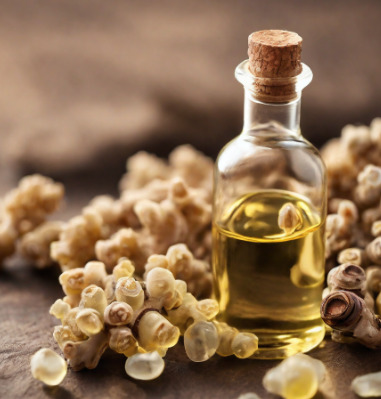
Frankincense oil has a long history of traditional use. Derived from the resin of Boswellia trees, it has been part of Chinese medicine for centuries.


So how does frankincense help neuropathy? Essentially it's all down to a powerful anti-inflammatory component called Boswellic Acids. When massaged gently mixed with a carrier oil, these compounds seem to soothe oversensitive nerves.


Some key things to know - Boswellic acids work to reduce irritation and swelling at nerve endings when frankincense is applied topically.


frankincense can also:


- Safeguards nerve health through antioxidants that combat oxidative stress and prevent further harm.

- Enhance communication between nerves and brain cells to possibly improve function.

- Dilate blood vessels to boost circulation and deliver more nutrients where needed.

How to apply:


- Breathe in diffused or warm water-blended vapors 10-15 minutes as comfort allows.

- Put 10 drops in your hand, mixed with coconut oil, massage it onto your feet and ankles, and pop on a sock. Do this up to 4 times a day. You should start feeling less pain within 1 to 4 weeks.

Euclyptus Oil


natural oils for nerve painEucalyptus is another powerful natural oil for nerve pain,

Eucalyptus essential oil is pretty special when it comes to treating neuropathy. It quickly deals with pins and needles, and the anti-inflammatory properties address any pain and irritation.


Bonus points: it even disinfects wounds and can lend a hand in managing diabetes when you take it by mouth.


Some research also suggests eucalyptus oil helps communication between nerves and the brain, which may relieve neuropathic symptoms. It also


- Opens up blood vessels as well, increasing circulation to nerves so they get more oxygen and nutrients. Has an anti-inflammatory and pain-killing effects,

- An ability to boost nerve function and blood flow,

- Shows promise for easing nerve pain symptoms when used as directed

- Protect nerves from damage caused by free radicals.

How to apply:


Dilution: Start by diluting the Eucalyptus oil with a carrier oil, such as coconut oil or olive oil. Aim for a ratio of 2-3 drops of Eucalyptus oil per teaspoon of carrier oil.


Gently apply the diluted Eucalyptus oil mixture to the affected areas, such as hands or feet, where nerve damage is present.


helichrysum oil for nerve pain


essential oils for nerve pain

Helichrysum is an oil that's been used for centuries as a natural remedy. Similar to other essential oils that work for nerve pain, Helichrysum seems to relieve pain while tamping down inflammation too.


The main ingredient, called Nerol, plays a key role - it acts as a guard for your nerves, helping them heal over time. Nerol may also calm nerve-related spasms.


Research suggests its antioxidant properties inhibit inflammatory enzymes and scavenge free radicals, addressing the root cause of nerve pain. 


- This essential oil has garnered attention for its purported ability to stimulate the regeneration of damaged nerve tissue.

- Believed to possess anti-inflammatory and analgesic effects

How to apply:


To apply helichrysum oil for nerve pain, you can dilute it with a carrier oil such as coconut or jojoba oil, and massage it gently on the affected area. You can also add a few drops of helichrysum oil to a warm bath, or inhale it using a diffuser or inhaler.


Oils for Nerve Damage - And Ways To Use Them


When it comes to essential oils, there's no one-size-fits-all method. But if you're hoping to ease neuropathy pain specifically, some approaches seem to work better than others.


Let's start with inhalation, which can provide surprisingly quick relief. Breathe in those healing vapors through an aromatherapy diffuser or nasal inhaler.


We also talked about using essential oils topically, right on the skin. Now this tactic can be super potent, so make sure any blend you apply is labeled skin-safe.


Thankfully, many oils come in roll-on bottles specially designed for topical use. They mix the good stuff with carrier oils like coconut to keep skin happy while they work their magic. Just roll onto painful areas and let the oils soothe your symptoms into submission.


So at the end of the day, while essential oils offer a variety of usage methods—it's about finding the one that speaks to your unique nerve-calming needs.


https://nowhealth.online/best-oils-for-nerve-damage/